
TPT
Celebrating Neurodiversity: Famous People with Disabilities Poster for Your Classroom
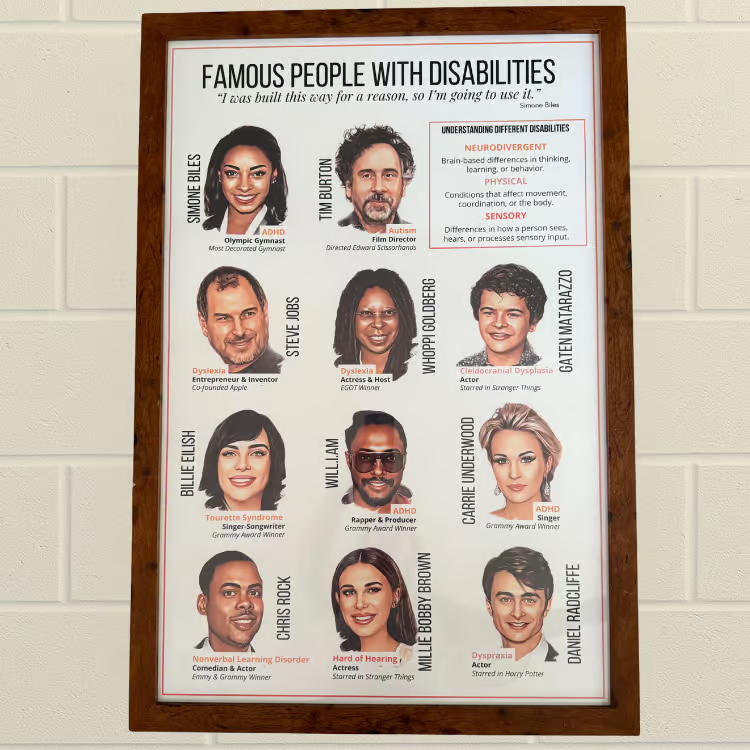
Every student deserves to feel seen, valued, and capable of success. One of the most powerful ways to build confidence in students is through representation and inclusion in the classroom.
When students see people like themselves achieving great things, something changes. They begin to believe:
👉 “If they can do it, maybe I can too.”
This mindset shift is especially important for students with disabilities or learning differences. Representation can turn self-doubt into motivation.
Why Representation Matters for Students
Representation is more than posters on the wall. It sends a message about belonging.
Research shows that students who see relatable role models are more likely to:
-
Develop a growth mindset
-
Build self-confidence
-
Set higher goals
-
Persist through challenges
-
Feel included in their learning environment
For students with disabilities, this is even more powerful. Many children struggle with feelings of being “different.” Seeing successful individuals with similar challenges helps normalize their experiences.
Real Role Models Make a Real Impact
Students often recognize celebrities more than historical figures. That makes modern role models incredibly effective teaching tools.
For example:
-
Simone Biles — Olympic gymnast with ADHD who became one of the greatest athletes in history
-
Steve Jobs — Innovator and Apple co-founder who experienced learning challenges and changed technology forever
-
Billie Eilish — Grammy-winning artist with Tourette syndrome who openly advocates for mental health awareness
These stories teach an important lesson:
Obstacles do not define your future. Determination does.
How Inclusion Builds a Stronger Classroom Community
An inclusive classroom benefits every student, not just those with disabilities.
When teachers highlight diverse abilities, students learn:
-
Empathy and understanding
-
Respect for differences
-
Confidence in their own strengths
-
That everyone learns differently — and that’s okay
Inclusion creates a culture where effort matters more than perfection.
Easy Ways to Promote Representation in Your Classroom
You don’t need a huge curriculum change to make an impact. Small actions matter.
Try these simple strategies:
✅ Display posters featuring diverse role models
✅ Share short success stories during morning meetings
✅ Connect lessons to real-world figures with challenges
✅ Celebrate perseverance, not just achievement
✅ Encourage students to share their own strengths
Visual reminders are especially powerful for younger learners and students with special needs.
A Classroom Resource That Inspires Students
If you’re looking for an easy way to introduce representation and motivation, our resource featuring celebrities with disabilities and their accomplishments can help.
This classroom tool:
-
Highlights well-known figures students recognize
-
Explains different disabilities in student-friendly language
-
Focuses on achievements and perseverance
-
Promotes confidence and growth mindset
-
Supports social-emotional learning and inclusion goals
You can explore the resource here:
👉 [Teachers Pay Teachers Product Link]
The Message Every Student Needs to Hear
Students face challenges every day. Some are visible. Some are not.
But when they see examples of people who succeeded despite obstacles, they begin to understand an important truth:
Your challenges do not limit your potential.
As educators, we have the power to shape how students see themselves.
Representation is not just decoration.
It is transformation.